Where do we go right after we die?
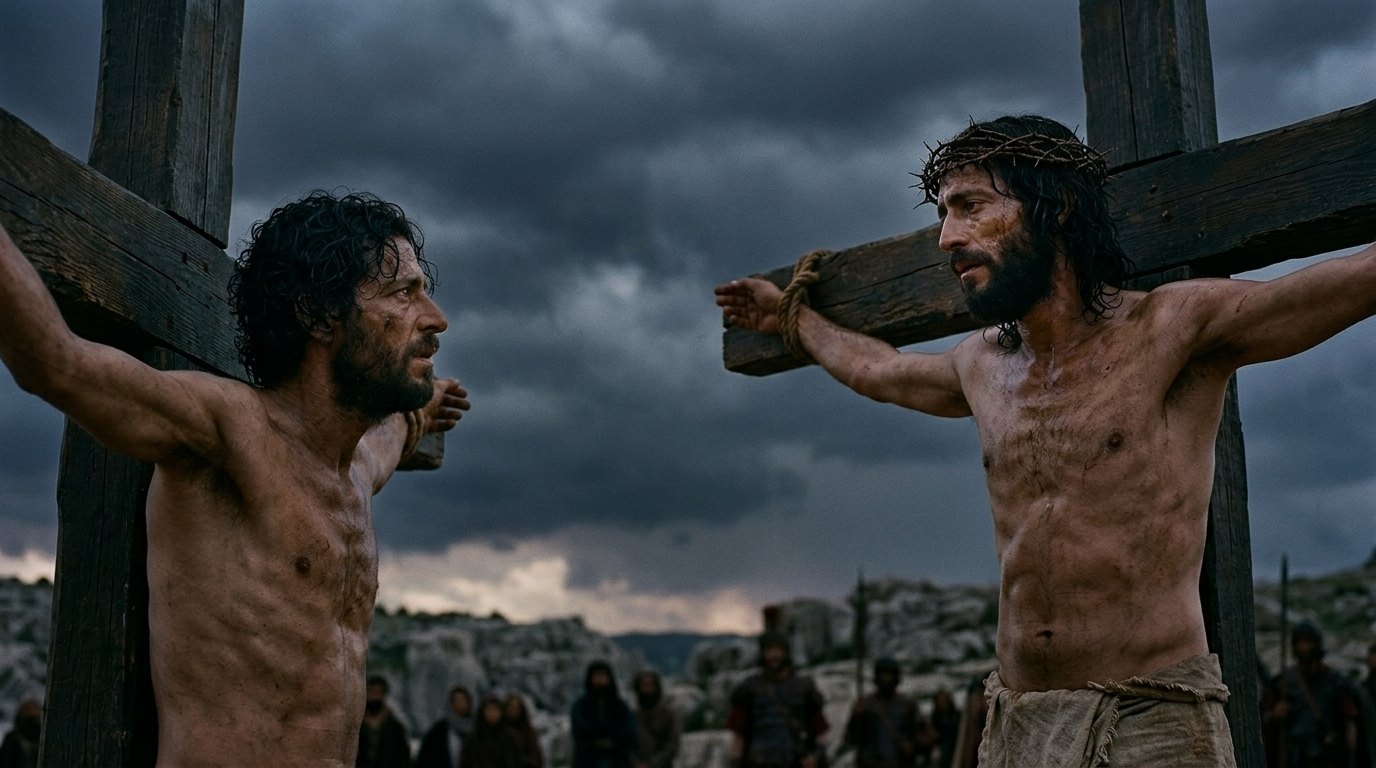
Luke 23:42-43
42 Then he said, “Jesus, remember me when you come into your kingdom.”
43 Jesus answered him, “Truly I tell you, today you will be with me in paradise.”
New International Version (NIV)
The answer
At death, those who belong to Christ go immediately to be with him in Paradise; those who die without Christ enter Hades, a place of conscious anguish, awaiting final judgment. The body returns to the earth, and the spirit returns to God who gave it (Ecclesiastes 12:7). Death is not the end of existence or the beginning of another earthly life: “it is appointed for men to die once, and after this, judgment” (Hebrews 9:27).
For those who belong to Christ
The crucified man who asked Jesus to remember him received the promise, “today you will be with me in Paradise” (Luke 23:42-43). Paul likewise expected to “depart and be with Christ” (Philippians 1:23) and described being absent from the body as being “at home with the Lord” (2 Corinthians 5:8). This is conscious fellowship with Christ, not extinction or unconscious nothingness.
For those who die without Christ
In Jesus’ account of Lazarus and the rich man, Lazarus was comforted after death, while the rich man was in Hades, conscious and in torment. A fixed separation prevented crossing between them (Luke 16:22-26). Hades is not the final state: at the last judgment, death and Hades give up their dead, and anyone whose name is not written in the book of life is thrown into the lake of fire (Revelation 20:13-15).
The resurrection and the final home
These immediate destinations are not the end of the story. At Christ’s coming, the dead in Christ will rise bodily, and his people will be with the Lord forever (1 Thessalonians 4:16-17). Their final home is the new heaven and new earth, where God dwells with his people and death, mourning, crying, and pain are no more (Revelation 21:1-4).
What decides a person’s destination
Heaven is not earned by good works. The man on the cross could do nothing to merit salvation; he turned to Jesus and received mercy. Salvation is God’s gift, by grace through faith, not by works (Ephesians 2:8-9), and eternal life is in God’s Son (1 John 5:11-13).
The gracious and urgent call now is to turn from sin and trust Jesus Christ, who died and rose again (1 Thessalonians 4:14). God promises forgiveness and cleansing to those who confess their sins (1 John 1:9).
Answered from Scripture · reviewed November 11, 2026
Scripture reveals that at physical death, the human soul enters an immediate, conscious intermediate state awaiting the final resurrection. For the believer in Jesus Christ, to depart this earthly body is to be present at once with the Lord in Paradise, while those who die outside of Christ enter conscious confinement and torment, awaiting final judgment.
Immediately Present
Believers Enter the Direct Presence of Christ
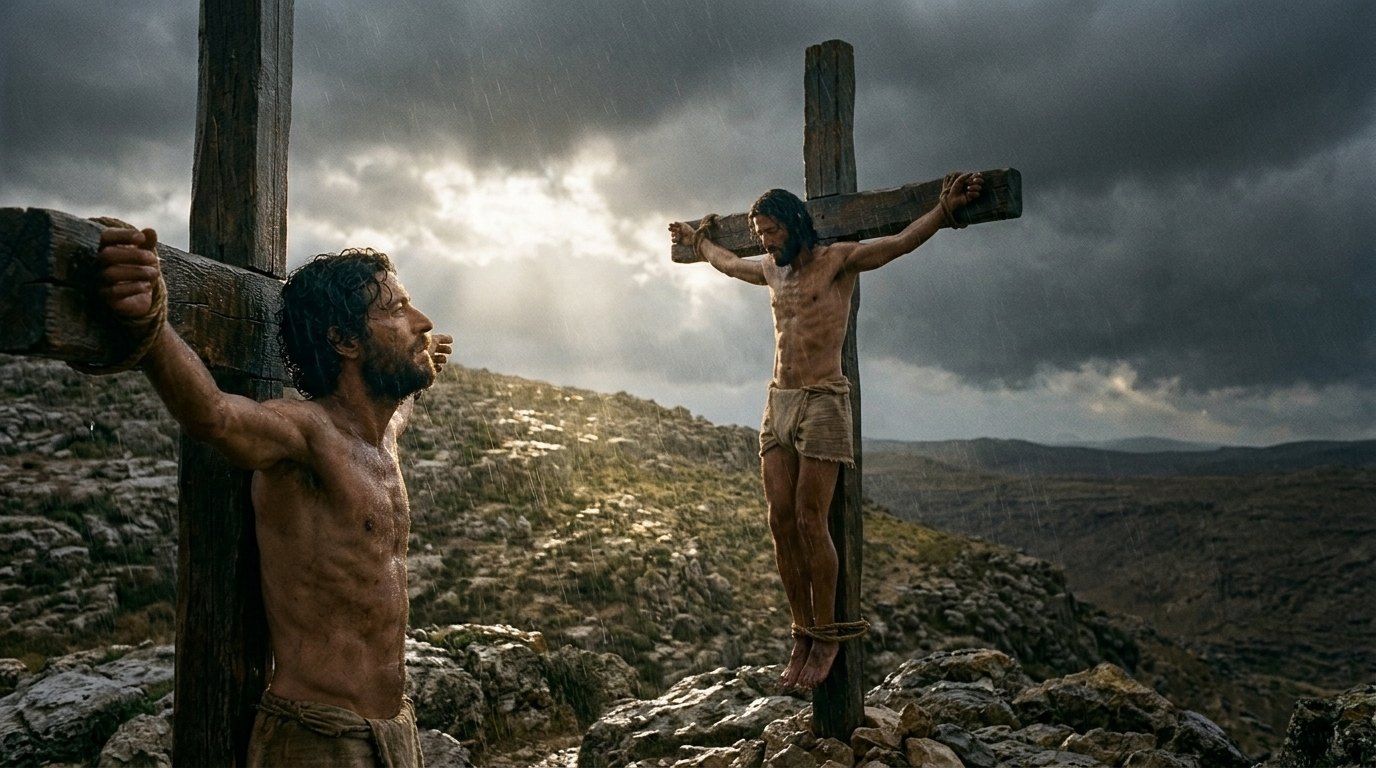
Jesus answered him, “Truly I tell you, today you will be with me in paradise.”
Luke 23:43 (NIV)
Jesus explicitly promises the repentant thief immediate entry that very day into conscious fellowship with Him in Paradise.
When Christ hung upon the cross, He gave a dying criminal an absolute guarantee of what lies immediately beyond physical death: "Truly, I say to you, today you will be with me in Paradise" (Luke 23:43). The Lord did not point to an unconscious slumber or a protracted purgation, but to immediate, conscious entrance into His personal presence. The repentant man had begged merely to be remembered when Jesus came into His kingdom (Luke 23:42), yet Christ promised him that very day the bliss of Paradise. This immediate transition anchors the Christian assurance of death.
The Apostle Paul echoes this exact reality, explaining that to be absent from the body is to be at home with the Lord (2 Corinthians 5:6-8). Believers live with confident expectation because dying does not sever consciousness; rather, departing this tent of flesh brings the spirit straight to Christ, a state Paul declared to be "far better" than earthly existence (Philippians 1:21-24). The first Christian martyr, Stephen, experienced this transition in real time: as stones struck his flesh, he gazed into the opened heavens, saw the Son of Man standing at God's right hand, and cried, "Lord Jesus, receive my spirit" (Acts 7:55-59).
This continuous existence of the inner man reflects God's creational design. When physical breath ceases, the dust returns to the earth as it was, while the spirit returns to God who gave it (Ecclesiastes 12:7). Paul could describe being caught up into this third heaven, the celestial Paradise, where unspeakable revelations dwell (2 Corinthians 12:2-4). Furthermore, Jesus refuted the Sadducees by reminding them that God declared Himself the God of Abraham, Isaac, and Jacob centuries after their burials; He is not the God of the dead, but of the living, for to Him all live (Luke 20:37-38). This truth was visibly displayed on the Mount of Transfiguration, where Moses and Elijah appeared in living glory, conversing consciously with Christ (Matthew 17:1-3). For those washed in the blood of Jesus, bodily death is the instant portal into His welcoming face.
| Passage | What it says |
|---|---|
| Luke 23:42-43 | Jesus promises the dying thief that he will be with Him in Paradise that very day. |
| 2 Corinthians 5:6-8 | Paul affirms that to be absent from the physical body is to be at home with the Lord. |
| Philippians 1:21-24 | Departing earthly life means being immediately with Christ, which Paul declares is far better. |
| Acts 7:55-59 | The dying Stephen asks the Lord Jesus to receive his spirit as he passes from life. |
| Ecclesiastes 12:7 | At physical death, the dust returns to the earth and the spirit returns to God who gave it. |
| 2 Corinthians 12:2-4 | Paul recounts being caught up into Paradise, hearing unspeakable words not lawful for man to utter. |
| Luke 20:37-38 | Jesus affirms God is not the God of the dead but of the living, for all live unto Him. |
| Matthew 17:1-3 | Moses and Elijah appear consciously conversing with Jesus on the mount of transfiguration. |
Conscious Separation
The Unrighteous Face Immediate Confinement and Torment

“The time came when the beggar died and the angels carried him to Abraham’s side. The rich man also died and was buried. In Hades, where he was in torment, he looked up and saw Abraham far away, with Lazarus by his side. So he called to him, ‘Father Abraham, have pity on me and send Lazarus to dip the tip of his finger in water and cool my tongue, because I am in agony in this fire.’ “But Abraham replied, ‘Son, remember that in your lifetime you received your good things, while Lazarus received bad things, but now he is comforted here and you are in agony. And besides all this, between us and you a great chasm has been set in place, so that those who want to go from here to you cannot, nor…
Luke 16:22-26 (NIV)
Christ details the immediate post-mortem divergence between Lazarus in comfort and the rich man in conscious torment across an impassable chasm.
Scripture speaks with sober, unyielding clarity concerning the immediate fate of those who die outside of repentance and faith in Jesus Christ. In Luke 16:22-26, the Lord pulled back the veil on the post-mortem world, revealing that the rich man died and was buried, and in Hades, being in torment, he lifted up his eyes. The text leaves no room for soul-sleep or annihilation: the unrighteous man retains memory, identity, sensation, and an agonizing thirst, separated forever from comfort by a great, fixed chasm that none can cross.
This immediate post-mortem custody is not the final lake of fire, but a conscious holding of the wicked under judgment. The Apostle Peter confirms that the Lord knows how to rescue the godly while holding the unrighteous under punishment until the day of judgment (2 Peter 2:9). Earthly life is the sole arena of decision; once it ends, mortal destiny is sealed without second chances, for it is appointed for man to die once, and after that comes judgment (Hebrews 9:27). Those who reject the Son do not await a future verdict to learn their standing; they stand condemned already because they have not believed in the only begotten Son of God (John 3:18).
Christ continually warned His hearers to face the stark reality of divine holiness and wrath. He declared that whoever disobeys the Son will not see life, but the wrath of God remains on him (John 3:36). For this reason, Jesus urged His disciples not to fear men who can kill merely the mortal body, but to fear Him who, after killing, possesses the sovereign authority to cast into hell (Luke 12:4-5). The historical ruin of Sodom and Gomorrah remains a solemn physical warning of this unseen reality, standing as an enduring display of those who suffer the punishment of eternal fire (Jude 1:7). Outside the redemption of Christ's cross, death is the immediate doorway to irrevocable judgment.
| Passage | What it says |
|---|---|
| Luke 16:22-26 | The rich man experiences immediate torment in Hades while Lazarus is comforted at Abraham's side. |
| 2 Peter 2:9 | The Lord keeps the unrighteous under punishment while holding them for the day of judgment. |
| Hebrews 9:27 | Man is appointed to die once, and immediately following earthly death comes judgment. |
| John 3:18 | Whoever does not believe in the Son stands condemned already because of unbelief. |
| John 3:36 | Whoever rejects the Son will not see life, but the wrath of God remains upon him. |
| Luke 12:4-5 | Jesus warns to fear Him who after killing has power to cast into hell. |
| Jude 1:7 | Sodom and Gomorrah serve as an example, suffering the vengeance of eternal fire. |
Rest and Anticipation
Conscious Souls Await the Final Resurrection
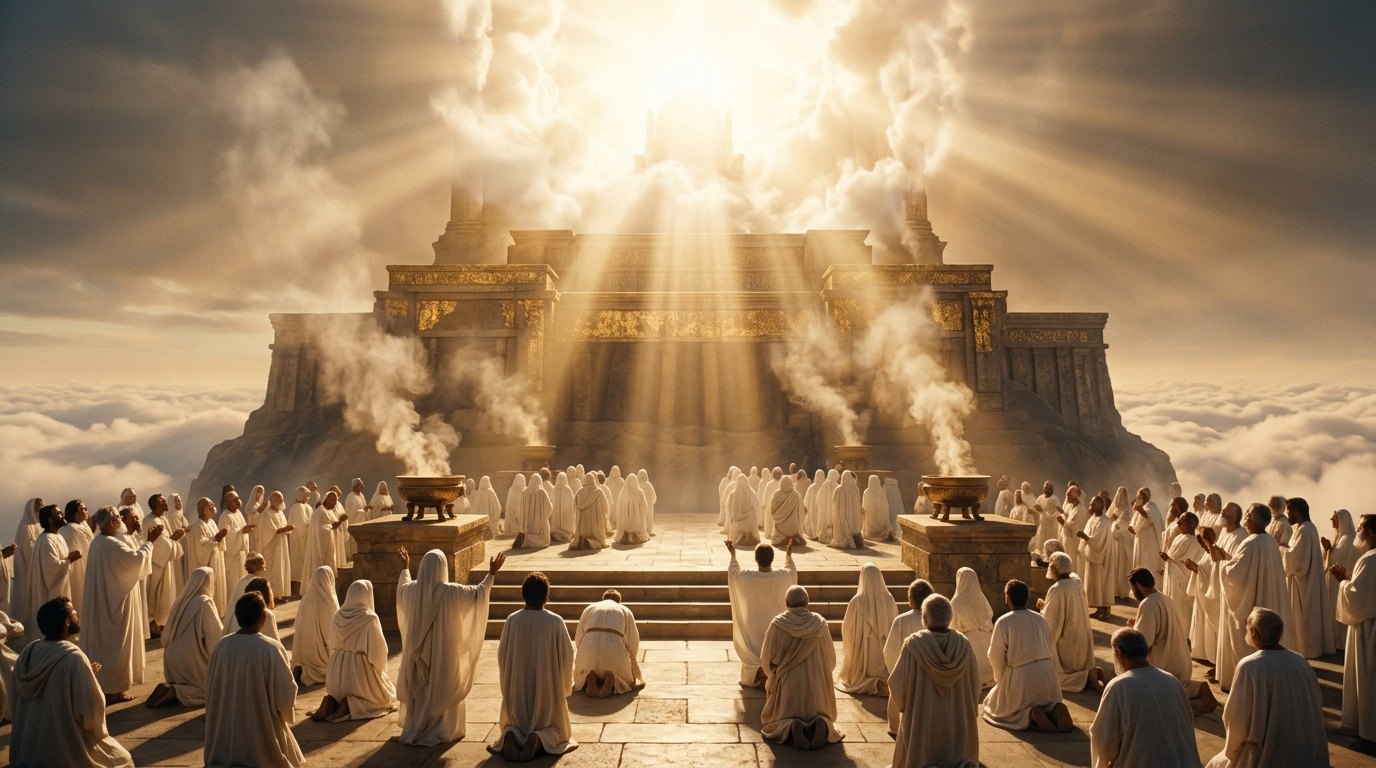
When he opened the fifth seal, I saw under the altar the souls of those who had been slain because of the word of God and the testimony they had maintained. They called out in a loud voice, “How long, Sovereign Lord, holy and true, until you judge the inhabitants of the earth and avenge our blood?” Then each of them was given a white robe, and they were told to wait a little longer, until the full number of their fellow servants, their brothers and sisters, were killed just as they had been.
Revelation 6:9-11 (NIV)
John sees the conscious souls of slain saints under the altar crying out to God while awaiting the consummation.
While physical death instantly separates believers from this present world and ushers them into the presence of God, the intermediate state is not the final chapter of redemptive history. In the heavenly vision granted to John, the souls of slain saints under the altar are consciously aware, crying out with a loud voice: "O Sovereign Lord, holy and true, how long before you will judge and avenge our blood on those who dwell on the earth?" (Revelation 6:9-11). Rather than an inert sleep, these righteous souls are each given a white robe and instructed to rest a little longer until the full number of their fellow servants should be completed.
This intermediate condition is characterized by profound holy rest and watchful expectation. The Spirit declares, "Blessed are the dead who die in the Lord from now on... that they may rest from their labors" (Revelation 14:13). In the heavenly Jerusalem, believers already join the countless company of angels and "the spirits of the righteous made perfect" (Hebrews 12:22-24). They exist as disembodied spirits enjoying the presence of God, but their ultimate hope remains the physical resurrection. When Christ descends from heaven, God will bring with Him those who have fallen asleep in Jesus to reunite spirit with glorified body (1 Thessalonians 4:13-14).
At the close of the age, the temporary holding realms must yield their inhabitants: Death and Hades will give up the dead who are in them so that every person may receive their final bodily resurrection before the Great White Throne (Revelation 20:11-15; 1 Peter 3:19). Meanwhile, the redeemed multitude stands before the throne, clothed in white robes with palm branches in hand, serving God day and night in His temple without hunger, thirst, or sorrow (Revelation 7:9-17). Their intermediate joy will reach its ultimate consummation at the last trumpet, when the corruptible puts on incorruption and mortality is swallowed up in bodily victory (1 Corinthians 15:51-54).
| Passage | What it says |
|---|---|
| Revelation 6:9-11 | Martyred souls beneath the altar consciously speak, receive white robes, and are told to rest. |
| Revelation 14:13 | Those who die in the Lord are declared blessed and find rest from their labors. |
| Hebrews 12:22-24 | Heaven contains the assembly of the firstborn and the spirits of the righteous made perfect. |
| 1 Thessalonians 4:13-14 | God will bring with Jesus those believers who have already died in Him when He returns. |
| Revelation 20:11-15 | Death and Hades deliver up the dead for bodily resurrection and the final Great White Throne judgment. |
| 1 Peter 3:19 | Scripture speaks of spirits currently kept in prison awaiting the consummation of all judgment. |
| Revelation 7:9-17 | A multitude redeemed out of great tribulation stands consciously before the throne, serving God day and night. |
| 1 Corinthians 15:51-54 | The corruptible body will put on incorruption at the last trumpet, consummating the intermediate rest. |
Where in the Bible
| Book | Passages |
|---|---|
| Ecclesiastes | 1 · Ecclesiastes 12:7 |
| Matthew | 1 · Matthew 17:1-3 |
| Luke | 4 · Luke 23:42-43, Luke 20:37-38, Luke 16:22-26, Luke 12:4-5 |
| John | 2 · John 3:18, John 3:36 |
| Acts | 1 · Acts 7:55-59 |
| 1 Corinthians | 1 · 1 Corinthians 15:51-54 |
| 2 Corinthians | 2 · 2 Corinthians 5:6-8, 2 Corinthians 12:2-4 |
| Philippians | 1 · Philippians 1:21-24 |
| 1 Thessalonians | 1 · 1 Thessalonians 4:13-14 |
| Hebrews | 2 · Hebrews 9:27, Hebrews 12:22-24 |
| 1 Peter | 1 · 1 Peter 3:19 |
| 2 Peter | 1 · 2 Peter 2:9 |
| Jude | 1 · Jude 1:7 |
| Revelation | 4 · Revelation 6:9-11, Revelation 14:13, Revelation 20:11-15, Revelation 7:9-17 |
The story in order
- God gives the spirit (c. 940 BC) · Ecclesiastes 12:7 · The spirit returns to God at death.
- Sodom and Gomorrah judgment (c. 2000 BC) · Jude 1:7 · Example of eternal fire for the unrighteous.
- Rich man and Lazarus (c. AD 30) · Luke 16:22-26 · Conscious torment and comfort after death.
- Jesus receives Stephen's spirit (c. AD 34) · Acts 7:55-59 · Stephen sees Jesus as his spirit departs.
- Jesus on the Mount (c. AD 30) · Matthew 17:1-3 · Moses and Elijah converse consciously.
- Jesus promises Paradise (c. AD 30) · Luke 23:42-43 · The thief is with Jesus in Paradise that day.
- Believers are absent from body (c. AD 55) · 2 Corinthians 5:6-8 · To be absent from body is to be home with the Lord.
- Paul's heavenly vision (c. AD 55) · 2 Corinthians 12:2-4 · Paul hears unspeakable words in Paradise.
- Departing is being with Christ (c. AD 61) · Philippians 1:21-24 · Paul desires to depart and be with Christ.
- Martyred souls cry out (c. AD 95) · Revelation 6:9-11 · Souls under the altar consciously await justice.
- Spirits in prison (c. AD 64) · 1 Peter 3:19 · Spirits are kept in prison awaiting judgment.
- The righteous made perfect (c. AD 65) · Hebrews 12:22-24 · Heaven contains the spirits of the righteous.
- Death and Hades give up dead (c. AD 95) · Revelation 20:11-15 · Final judgment follows resurrection from death and Hades.
Key words
- Paradise (paradeisos, παράδεισος)
- The presence of God, a place of blessing and peace. · Luke 23:43
- Hades (haidēs, ᾅδης)
- The place of departed spirits, often depicted as a place of suffering for the unrighteous. · Luke 16:23
- Spirit (pneuma, πνεῦμα)
- The immaterial part of a human being, which returns to God at death. · Ecclesiastes 12:7
- Judgment (krisis, κρίσις)
- The divine assessment of all humanity, leading to eternal reward or condemnation. · Hebrews 9:27
- Resurrection (anastasis, ἀνάστασις)
- The act of God raising the dead to life, both for believers and unbelievers. · 1 Corinthians 15:52
Death is not the extinguishing of human consciousness, but an immediate doorway into either the presence of Christ or conscious separation from Him. This urgent reality calls every soul to place their trust in Jesus Christ today, who alone conquered death and guarantees eternal life in His presence.
23 passages, each cited once.
How the major Christian traditions read this
All Christian traditions confess that death brings an immediate personal reckoning before God, where the unrepentant enter conscious sorrow awaiting final judgment, and believers are sustained in the Lord's mercy (Hebrews 9:27; Luke 16:22-26).
Catholic
We teach that upon death, each person undergoes a particular judgment. Those who die in God's grace and perfect friendship go immediately to heaven to behold God. However, those who die in grace but still retain imperfections or temporal punishment due to sin undergo purgatory—a final, loving cleansing before entering heaven's joy (1 Corinthians 3:15). In this intermediate state, the prayers, alms, and Eucharistic sacrifices of the living aid them (2 Maccabees 12:46). Meanwhile, those who die deliberately rejecting God in unrepented mortal sin descend immediately into the pains of hell, awaiting the final bodily resurrection (Matthew 25:41).
Scripture: 1 Corinthians 3:15, Hebrews 9:27, Matthew 25:41, 2 Maccabees 12:46
Orthodox
We hold that when the soul departs the body, it enters an intermediate realm awaiting the general resurrection and final judgment. The souls of the righteous experience a foretaste of eternal bliss in Paradise, while the souls of the unrepentant taste the foretaste of eternal sorrow in Hades (Luke 16:22-26). We do not define a purgatorial fire of satisfaction, yet Holy Tradition and Scripture prompt us to offer fervent prayers, memorials, and divine liturgies for our departed brothers and sisters, commending them to God's boundless mercy as they await the Day of the Lord (2 Timothy 1:16-18).
Scripture: Luke 16:22-26, 2 Timothy 1:16-18, Luke 23:43
Lutheran
We confess on the authority of Scripture that believers in Christ pass immediately into His presence at death. Because Christ fully satisfied God's wrath and purged our sins upon the cross, there remains no purgatorial cleansing or intermediate penalty for the justified (Romans 8:1; 1 John 1:7). To be absent from the body is to be at home with the Lord (2 Corinthians 5:8). The souls of believers rest securely in joyful communion with Christ in paradise (Luke 23:43), while the unbelieving pass into torment, both awaiting the last day when all bodies are raised for the final, public judgment.
Scripture: Romans 8:1, 2 Corinthians 5:8, Luke 23:43, 1 John 1:7
Reformed & Presbyterian
As the Westminster Confession affirms, the souls of men return immediately to God who gave them. The souls of the righteous, being made perfect in holiness at death, are received into the highest heavens to behold Christ's face in glory, waiting for the full redemption of their bodies (2 Corinthians 5:8; Philippians 1:23). Scripture recognizes only two destinations: heaven for those united to Christ, and the torments of hell for the wicked (Luke 16:23-26). We reject any purgatory or intermediate limbo, trusting entirely in the complete, finished atonement of our Savior on the cross (Hebrews 10:14).
Scripture: 2 Corinthians 5:8, Philippians 1:23, Luke 16:23-26, Hebrews 10:14
Anglican & Episcopal
We confess with the historic Church that those who die in Christ enter immediately into rest and peace with Him. As our Thirty-Nine Articles state, the doctrine of purgatory is grounded on no warranty of Scripture and is contrary to God's Word. Instead, we trust the promise that departing this life means being with Christ (Philippians 1:23). While our traditional liturgies tenderly commend the faithful departed to God's everlasting mercy and keep their memory with thanksgiving, we rest in the assurance that Christ’s perfect oblation has secured their full redemption and admittance into Paradise (Luke 23:43).
Scripture: Philippians 1:23, Luke 23:43, Hebrews 9:27
Baptist
We hold firmly to the New Testament truth that the moment a believer dies, their spirit is immediately present with the Lord. As the thief on the cross heard from Jesus, 'today you will be with me in Paradise' (Luke 23:43). There is no waiting room, soul sleep, or purgatory; absent from the body is present with the Lord (2 Corinthians 5:8). For those who reject Christ, death brings immediate separation and conscious torment in Hades (Luke 16:22-24). Each person's eternal destiny is sealed at death, awaiting only the physical resurrection when Christ returns (Hebrews 9:27).
Scripture: Luke 23:43, 2 Corinthians 5:8, Luke 16:22-24, Hebrews 9:27
Methodist & Wesleyan
We proclaim that Christ offers full and free salvation, cleansing us from sin so that death holds no terror. When a child of God dies, the soul passes at once into the joyful presence of Jesus, resting from labor in blessed communion (Revelation 14:13). As our Articles of Religion state, any notion of purgatorial cleansing denies the full sufficiency of Christ's redeeming grace. Believers enter paradise immediately through faith (Philippians 1:23), whereas those dying in unrepentant rebellion enter judgment, each soul conscious and awaiting the resurrection of the dead at the final trumpet.
Scripture: Revelation 14:13, Philippians 1:23, 2 Corinthians 5:8
Pentecostal & Charismatic
We believe with apostolic certainty that death for the believer means immediate entrance into heaven. Paul declares that to depart is to be with Christ, which is far better (Philippians 1:23). When physical breath leaves, the spirit is received directly into the presence of God by the power of the blood of Jesus (2 Corinthians 5:8). The lost, meanwhile, pass straightway into Hades in conscious torment, awaiting the final great white throne judgment (Revelation 20:11-13). We reject all purgatorial delay, knowing that the Spirit who raised Jesus guarantees our immediate heavenly welcome.
Scripture: Philippians 1:23, 2 Corinthians 5:8, Revelation 20:11-13
Non-denominational & Evangelical
We look purely to the clear statements of Scripture: to die in Christ is immediate gain (Philippians 1:21). The moment believers close their eyes in death, they are instantly at home with Jesus in paradise, fully conscious and rejoicing (2 Corinthians 5:8; Luke 23:43). Christ's sacrifice on the cross was once-for-all, leaving no remaining debt or cleansing process after death. Conversely, those who die without Christ enter an irreversible state of conscious separation in Hades, awaiting the final resurrection and judgment (Luke 16:22-26; Hebrews 9:27).
Scripture: Philippians 1:21, 2 Corinthians 5:8, Luke 23:43, Hebrews 9:27, Luke 16:22-26
Where they differ
Existence of a post-mortem purification
- Catholic
- Affirms purgatory cleanses souls dying in grace before heaven.
- Orthodox
- Rejects purgatorial fire while affirming an intermediate progression in God's mercy.
- Lutheran
- Denies purgatory completely; Christ cleanses all sin fully.
- Reformed & Presbyterian
- Rejects purgatory; justified souls enter immediate celestial glory.
- Anglican & Episcopal
- Rejects purgatory as an unscriptural and vain invention.
- Baptist
- Denies any intermediate cleansing; believers go directly to Christ.
- Methodist & Wesleyan
- Rejects purgatory as contrary to the sufficiency of grace.
- Pentecostal & Charismatic
- Denies purgatory; the blood of Jesus cleanses all immediately.
- Non-denominational & Evangelical
- Rejects purgatory; Scripture teaches direct entrance into Christ's presence.
Scripture: 1 Corinthians 3:15, Hebrews 10:14
Efficacy of prayers for the dead
- Catholic
- Maintains prayers and Masses relieve souls detained in purgatory.
- Orthodox
- Practises liturgical prayer and memorials for the departed's mercy.
- Lutheran
- Rejects prayers for the dead as lacking biblical command.
- Reformed & Presbyterian
- Rejects prayers for departed souls as fruitless and unscriptural.
- Anglican & Episcopal
- Commends departed to God without praying them out of torment.
- Baptist
- Rejects praying for the dead since destinies are sealed.
- Methodist & Wesleyan
- Denies that prayer can alter a departed person's state.
- Pentecostal & Charismatic
- Rejects prayer for departed souls as unbiblical and ineffective.
- Non-denominational & Evangelical
- Refuses prayers for the dead; each destiny is final.
Scripture: Hebrews 9:27, 2 Timothy 1:18
Your pastor can tell you where your church stands.
Scripture cited
- Luke 23:42-43
- 1 John 5:11-13
- 2 Corinthians 5:6-8
- Philippians 1:21-24
- Luke 16:19-31
- Ecclesiastes 12:7
- Hebrews 9:27-28
- Revelation 20:11-15
- Ephesians 2:8-9
- 1 Thessalonians 4:13-18
- Revelation 21:1-4
- 1 John 1:9