Will there be rewards in heaven?

1 Corinthians 3:11-15
11 For no one can lay any foundation other than the one already laid, which is Jesus Christ.
12 If anyone builds on this foundation using gold, silver, costly stones, wood, hay or straw,
13 their work will be shown for what it is, because the Day will bring it to light. It will be revealed with fire, and the fire will test the quality of each person’s work.
14 If what has been built survives, the builder will receive a reward.
15 If it is burned up, the builder will suffer loss but yet will be saved—even though only as one escaping through the flames.
New International Version (NIV)
The answer
Yes. Jesus speaks of “treasures in heaven” (Matthew 6:20), and He promises, “My reward is with me, to repay to each man according to his work” (Revelation 22:12).
Rewards must not be confused with earning salvation. Salvation is God’s gift: “by grace you have been saved through faith,” and “not of works” (Ephesians 2:8-9). Yet believers are created in Christ for good works (Ephesians 2:10), and those works matter to Him.
Paul pictures Christian service as building on the one foundation, Jesus Christ (1 Corinthians 3:11). On the coming Day, fire will test the quality of each person’s work. What endures brings reward; what is worthless is burned up. Even then, the builder “himself will be saved, but as through fire” (1 Corinthians 3:13-15). Likewise, believers will appear before Christ’s judgment seat and receive according to what they have done (2 Corinthians 5:10).
So Scripture gives both a promise and a warning: faithful service will be rewarded, while worthless service can result in loss. These passages do not fully describe the form of every reward, so speculation about exact heavenly possessions or status goes beyond what is written. What is certain is that faithful work for Christ is not wasted, and His rewards never replace grace or provide a reason to boast.
Answered from Scripture · reviewed November 11, 2026
Scripture speaks with one voice across both Testaments: God genuinely rewards faithful obedience, not as the ground of our salvation, but as its gracious crown. While eternal life is the unearned gift of God in Jesus Christ, the Bible assures believers that every act of love, endurance, and quiet service built upon that foundation will be tested and honored in heaven.
The One Foundation
Christ alone supports the house of faith.
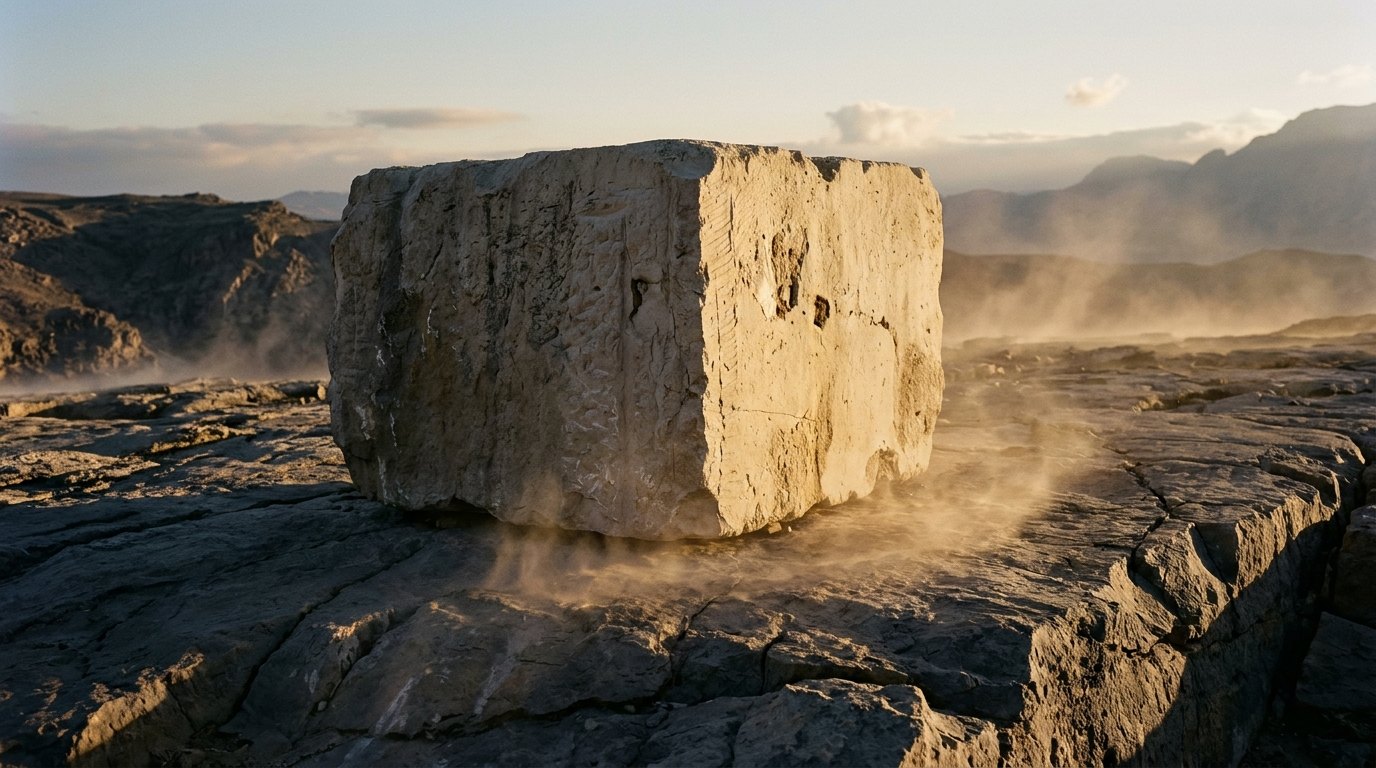
For no one can lay any foundation other than the one already laid, which is Jesus Christ.
1 Corinthians 3:11 (NIV)
Paul sets the non-negotiable bedrock of all Christian life and reward: Jesus Christ alone, beside whom no other foundation can be laid.
In 1 Corinthians 3:11, Paul lays down the supreme rule governing all Christian reward: no other foundation can be laid than that which is laid, which is Jesus Christ. Any inquiry into heavenly recompense that forgets this truth slips into legalism or human boasting. God does not reward us to settle a debt or because our works earn acceptance before His throne. The bedrock of our standing is Jesus Christ alone, the living stone upon whom the whole house of redemption rests.
Long before the incarnation, God spoke through the prophet in Isaiah 28:16, declaring that He would place in Zion a precious cornerstone, a sure foundation upon which believers could plant their feet without panic. When Jesus questioned His disciples at Caesarea Philippi, Peter confessed Him as the Christ, prompting the Lord's declaration in Matthew 16:18 that upon this rock He would build His church, and the gates of hell would not prevail against it. Following the resurrection, Peter stood boldly before the rulers of Jerusalem in Acts 4:11-12, identifying Jesus as the rejected stone who has become the head of the corner, adding unequivocally that there is salvation in no other name under heaven.
This apostolic architecture is echoed in Ephesians 2:20, where the church is revealed as a holy dwelling built on the foundation of the apostles and prophets, with Christ Jesus Himself as the chief cornerstone. In 2 Timothy 2:19, Paul reminds Timothy that God's firm foundation stands immovable, sealed with the sovereign comfort that the Lord knows those who are His. Finally, in 1 Peter 2:6, Scripture repeats the ancient promise that whoever puts faith in this chosen and precious cornerstone will never be put to shame. Rewards are real, but they are built solely upon the finished work of Christ.
| Passage | What it says |
|---|---|
| Isaiah 28:16 | God promises to lay a tried, precious cornerstone in Zion, providing a firm foundation that cannot be shaken. |
| Matthew 16:18 | Jesus declares that He will build His church upon this rock, and the gates of Hades shall not prevail. |
| Acts 4:11-12 | Peter identifies Christ as the stone rejected by builders that became the cornerstone, with salvation found in no other name. |
| 1 Corinthians 3:11 | No other foundation can be laid than the one already laid, which is Jesus Christ. |
| Ephesians 2:20 | The household of God is built on the foundation of the apostles and prophets, Christ Jesus being the chief cornerstone. |
| 2 Timothy 2:19 | God's solid foundation stands firm, bearing the seal that the Lord knows those who belong to Him. |
| 1 Peter 2:6 | Scripture affirms that whoever believes on this chosen and precious cornerstone will never be put to shame. |
Tested by Fire
The Day will reveal what each has built.
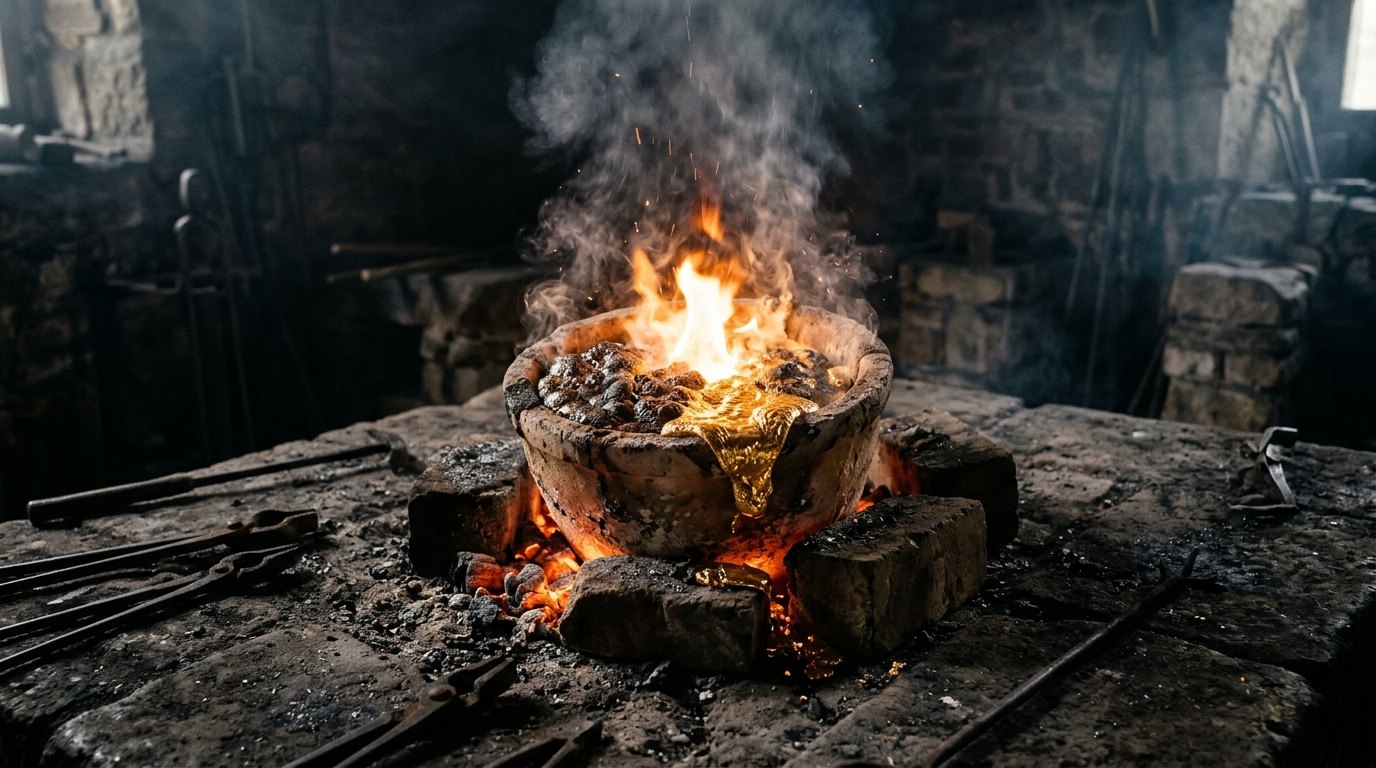
If what has been built survives, the builder will receive a reward.
1 Corinthians 3:14 (NIV)
This verse establishes that enduring works receive a reward, distinguishing the reward of service from the preservation of the person.
Paul writes in 1 Corinthians 3:14: if the work that anyone has built on the foundation survives, he will receive a reward. Here the apostle draws a sharp line between eternal salvation and heavenly reward. Salvation is an unmerited gift resting entirely upon Christ, but our life's labor upon that foundation will undergo an inescapable divine evaluation.
Paul describes the building process in 1 Corinthians 3:12, noting that some construct with gold, silver, and precious stones, while others use wood, hay, and straw. The difference lies in endurance and spiritual quality. In 1 Corinthians 3:13, he warns that the Day of the Lord will disclose every person's work with fire, testing what sort of work each has done. The sobering reality of 1 Corinthians 3:15 is that if a man's work is burned up, he will suffer loss—not the loss of his soul, for he himself will be saved, yet only as through fire. Rewards can be forfeited, even while justification stands secure.
This future reckoning is described in 2 Corinthians 5:10, where Paul affirms that all believers must appear before the judgment seat of Christ to receive what is due for things done in the body, whether good or worthless. Romans 14:10 and Romans 14:12 reiterate that each of us will stand before God's judgment seat and give a personal account of himself to the Lord. Yet this is not an hour of terror for the redeemed. As 1 Corinthians 4:5 comforts us, when the Lord comes, He will bring to light the hidden things and disclose the motives of the heart, and then each faithful servant will receive his commendation from God.
| Passage | What it says |
|---|---|
| 1 Corinthians 3:12 | Builders construct on the foundation using enduring materials like gold and silver, or perishable materials like wood, hay, and straw. |
| 1 Corinthians 3:13 | The Day of the Lord will reveal each builder's work through fire, testing its true quality. |
| 1 Corinthians 3:14 | If anyone's built work survives the fire, that person will receive a reward. |
| 1 Corinthians 3:15 | If a builder's work is burned, he suffers loss of reward while remaining saved as through fire. |
| 2 Corinthians 5:10 | All believers must appear before the judgment seat of Christ to receive what is due for deeds done in the body. |
| Romans 14:12 | Each believer will give a personal account of himself to God. |
| Romans 14:10 | Affirms that all believers will stand before the judgment seat of God to give an account. |
| 1 Corinthians 4:5 | Declares that the Lord will bring to light hidden purposes, and each will receive praise from God. |
The Master's Promise
Jesus promises open reward for unseen faithfulness.

so that your giving may be in secret. Then your Father, who sees what is done in secret, will reward you.
Matthew 6:4 (NIV)
Jesus assures His followers that the Father who sees secret obedience will openly reward it.
In Matthew 6:4, Jesus reveals the heart of the Father toward our quiet service: your Father who sees in secret will reward you openly. Our Lord consistently taught that God notices what the world ignores, delighting to honor genuine, unpretentious devotion performed for His glory alone.
This promise anchors the Sermon on the Mount. In Matthew 5:11-12, Jesus commands those who are mocked and persecuted for His sake to rejoice and be glad, because great is their reward in heaven. In Matthew 6:6 and Matthew 6:18, He attaches this identical promise to secret prayer behind closed doors and fasting without outward spectacle. Even the smallest gesture does not escape notice; in Matthew 10:42, He promises that giving even a cup of cold water to a disciple will never lose its reward. In Luke 6:35, Jesus calls His people to love enemies and lend without expecting return, assuring them of a great reward as sons of the Most High, while Luke 14:14 promises repayment at the resurrection of the just for hospitality shown to the poor.
These rewards involve genuine responsibility in the coming kingdom. In Matthew 16:27, the Son of Man promises to return with His angels and repay each person according to his deeds. In Matthew 19:28-29, He pledges hundredfold blessings and thrones to those who have sacrificed earthly ties for His name. The faithful steward in Matthew 25:21 and Matthew 25:23 hears the joyful summons to enter the joy of his master, receiving charge over many things. Luke 12:42-44 blesses the faithful steward whom the master sets over all his possessions, and Luke 19:16-19 records the Lord entrusting authority over ten and five cities to those who proved faithful with modest resources.
| Passage | What it says |
|---|---|
| Matthew 5:11-12 | Believers reviled and persecuted for Christ's sake are commanded to rejoice, for their reward in heaven is great. |
| Matthew 6:4 | Giving done in secret is recognized by the Father, who rewards openly. |
| Matthew 6:6 | Secret prayer behind closed doors will be rewarded by the Father who sees in secret. |
| Matthew 6:18 | Fasting practiced without outward display before men is seen and rewarded by the Father. |
| Matthew 10:42 | Whoever gives even a cup of cold water to a disciple will certainly not lose his reward. |
| Matthew 25:21 | The faithful servant who multiplied his talents is commended and invited into the joy of his master. |
| Luke 6:35 | Loving enemies and lending without expecting return brings a great reward as sons of the Most High. |
| Luke 14:14 | Showing hospitality to the poor and disabled will be repaid at the resurrection of the just. |
| Matthew 16:27 | Promises that the Son of Man will come with His angels and repay each according to his deeds. |
| Matthew 19:28-29 | Pledges that those who leave all for Christ will sit on thrones and receive a hundredfold. |
| Matthew 25:23 | Commends the faithful servant over few things and sets him in charge of many things. |
| Luke 12:42-44 | Pronounces blessing on the faithful steward, whom the master will set over all his possessions. |
| Luke 19:16-19 | Grants faithful servants authority over ten cities and five cities according to their faithfulness. |
The Apostolic Witness
Crowns and commendation await enduring runners.

Now there is in store for me the crown of righteousness, which the Lord, the righteous Judge, will award to me on that day—and not only to me, but also to all who have longed for his appearing.
2 Timothy 4:8 (NIV)
Paul speaks with serene certainty of the crown of righteousness that the righteous Judge will award to all who love His appearing.
Near the end of his race, Paul wrote in 2 Timothy 4:8 with unshakable assurance: there is laid up for me the crown of righteousness, which the Lord, the righteous judge, will award to me on that day, and not only to me but also to all who have loved his appearing. The New Testament consistently describes heavenly rewards under the imagery of unfading crowns, harvest fruit, and divine approval for steadfast perseverance.
In 1 Corinthians 9:24-25, Paul contrasts the perishable pine wreath of earthly athletes with the imperishable crown believers strive to attain. Galatians 6:9 encourages weary saints not to lose heart in doing good, for in due season we will reap if we do not faint. In Colossians 3:23-24, even bondservants are reminded to work heartily for the Lord, knowing that from Him they will receive the inheritance as their reward. Paul could face his impending martyrdom in 2 Timothy 4:7-8 because he had fought the good fight, finished the race, and kept the faith.
The Epistle to the Hebrews continually turns our eyes toward this hope. Hebrews 6:10 assures us that God is not unjust to forget our labor of love for His saints. Hebrews 10:35-36 urges us not to throw away our confidence, which carries great recompense. In Hebrews 11:6, faith requires believing that God rewards those who earnestly seek Him, an assurance that led Moses in Hebrews 11:26 to count the reproach of Christ greater wealth than the riches of Egypt. James 1:12 and Revelation 2:10 promise the crown of life to those who endure trials and remain faithful unto death. In 1 Peter 5:4, shepherds who care for the flock are promised an unfading crown of glory when the Chief Shepherd appears. The apostle John adds solemn pastoral warnings in 2 John 1:8 and Revelation 3:11 to watch ourselves and hold fast so that we receive a full reward and let no one seize our crown. Paul saw this fruit even in the saints themselves, calling his spiritual children his joy and crown in Philippians 4:1 and 1 Thessalonians 2:19-20. The drama of history culminates in Revelation 11:18 and Revelation 22:12, where Jesus proclaims, 'Behold, I am coming soon, bringing my recompense with me, to repay each one for what he has done.'
| Passage | What it says |
|---|---|
| 1 Corinthians 9:24-25 | Athletes exercise self-control for a perishable wreath, but believers run to obtain an imperishable crown. |
| Galatians 6:9 | Believers are urged not to grow weary in doing good, for in due season they will reap if they do not give up. |
| Colossians 3:23-24 | Whatever work believers do should be done heartily for the Lord, knowing they will receive the inheritance as reward. |
| 2 Timothy 4:7-8 | Having finished his course and kept the faith, Paul anticipates the crown of righteousness awarded by the righteous Judge. |
| Hebrews 6:10 | God is not unjust to overlook the work and love shown for His name in serving the saints. |
| Hebrews 10:35-36 | Believers are warned not to throw away their confidence, which has great reward, but to endure in doing God's will. |
| Hebrews 11:6 | Whoever approaches God must believe that He exists and that He rewards those who earnestly seek Him. |
| Hebrews 11:26 | Moses considered the reproach of Christ greater wealth than Egypt's treasures because he looked forward to the reward. |
| James 1:12 | The man who remains steadfast under trial will receive the crown of life promised to those who love God. |
| 1 Peter 5:4 | When the Chief Shepherd appears, faithful elders will receive the unfading crown of glory. |
| 2 John 1:8 | Believers are cautioned to watch themselves so they do not lose what was worked for, but win a full reward. |
| Revelation 22:12 | Jesus declares He is coming soon, bringing His reward with Him to repay each for what he has done. |
| Philippians 4:1 | Calls the faithful congregation the apostle's joy and crown in the Lord. |
| 1 Thessalonians 2:19-20 | Designates converted brothers and sisters as the hope, joy, and crown of boasting before Christ at His coming. |
| Revelation 2:10 | Promises the crown of life to those who remain faithful unto death. |
| Revelation 3:11 | Exhorts believers to hold fast what they have so that no one seizes their crown. |
| Revelation 11:18 | Proclaims the arrival of the time to give reward to God's servants, prophets, and saints. |
The Ancient Foundation
The Old Testament anchors hope in God's recompense.

After this, the word of the LORD came to Abram in a vision: “Do not be afraid, Abram. I am your shield, your very great reward.”
Genesis 15:1 (NIV)
God reveals that while He gives rewards, He Himself is the supreme treasure and reward of His people.
In Genesis 15:1, the Lord speaks to Abram in a vision with words that establish the architecture of all biblical reward: God Himself is the supreme treasure and reward of His covenant people. Everything Scripture subsequently promises regarding heavenly recompense flows from this bedrock truth; God does not merely dispense gifts apart from Himself, but gives Himself as our inheritance.
David echoes this joy in Psalm 19:11, declaring that in keeping the Lord’s righteous decrees there is great reward. The wisdom literature consistently confirms that obedience is never futile. Proverbs 11:18 contrasts the deceitful wages of the wicked with the sure harvest granted to whoever sows righteousness, while Proverbs 24:14 promises that acquiring divine wisdom secures a future wherein our hope will never be cut off. Even sacrificial kindness toward an adversary carries divine notice; as Proverbs 25:21-22 insists, feeding a hungry enemy brings a recompense directly from the hand of the Lord.
Yet the Old Testament also lifts its gaze beyond earthly vindication to the age to come. When wickedness seems to prosper unchecked, Psalm 58:11 assures the suffering saint that a day arrives when all humanity must confess there is indeed a reward for the righteous under a God who judges the earth. This eschatological hope reaches its zenith in Daniel 12:3, where the prophet foresees the resurrection and promises that those who possess wisdom and turn many to righteousness will shine like the brightness of the heavens and like the stars forever and ever.
| Passage | What it says |
|---|---|
| Genesis 15:1 | God tells Abram that He Himself is his shield and his exceedingly great reward. |
| Psalms 19:11 | Declares that in keeping the Lord's ordinances there is great reward. |
| Psalms 58:11 | Affirms that mankind will testify there is indeed a reward for the righteous. |
| Proverbs 11:18 | States that whoever sows righteousness reaps a sure reward. |
| Proverbs 24:14 | Promises a future reward and that hope will not be cut off for those who find wisdom. |
| Proverbs 25:21-22 | Promises that showing mercy to one's enemy will be rewarded by the Lord. |
| Daniel 12:3 | Prophesies that those who turn many to righteousness will shine like stars forever. |
Crowns Cast Down
Heavenly crowns find their ultimate purpose in worship.

the twenty-four elders fall down before him who sits on the throne and worship him who lives for ever and ever. They lay their crowns before the throne and say: “You are worthy, our Lord and God, to receive glory and honor and power, for you created all things, and by your will they were created and have their being.”
Revelation 4:10-11 (NIV)
All bestowed crowns and rewards are cast back at Christ's feet, showing that every reward ultimately brings glory to God.
The magnificent picture of Revelation 4:10-11 reveals the ultimate purpose of every heavenly honor: the twenty-four elders fall prostrate and cast their crowns before the throne of God in adoration. Whatever honors, wreaths, or dignities are bestowed upon the redeemed find their highest end not in self-congratulation, but as consecrated offerings laid at the feet of the Lamb whose blood purchased them all.
Throughout the Apocalypse, Jesus promises astonishing privileges to those who overcome through faith in Him. In Revelation 2:26-28, the Lord promises that whoever conquers and keeps His works until the end will receive authority over the nations and the morning star itself. Ascending higher still, in Revelation 3:21 Christ makes the staggering pledge that the one who conquers will be granted the right to sit with Him on His very throne, sharing in His royal dominion just as He conquered and sat down with His Father on His throne.
This promised reign becomes fully visible in Revelation 20:4, where thrones are set and judgment is committed to the holy martyrs and enduring saints who refused the beast, reigning in victory alongside their King. Heavenly rewards are neither hollow trinkets nor fuel for pride; they are real, eternal capacities for stewardship and worship. Every crown placed on a believer's head becomes a glorious instrument to reflect back the infinite worth and majesty of the King of kings.
| Passage | What it says |
|---|---|
| Revelation 2:26-28 | Promises authority over the nations and the morning star to whoever conquers and keeps Christ's works. |
| Revelation 3:21 | Grants to the conqueror the right to sit with Christ on His throne. |
| Revelation 4:10-11 | Shows the twenty-four elders casting their crowns before the throne in worship to the Creator. |
| Revelation 20:4 | Describes thrones given to the saints and martyrs who reign with Christ. |
Where in the Bible
| Book | Passages |
|---|---|
| Genesis | 1 · Genesis 15:1 |
| Psalms | 2 · Psalms 19:11, Psalms 58:11 |
| Proverbs | 3 · Proverbs 11:18, Proverbs 24:14, Proverbs 25:21-22 |
| Isaiah | 1 · Isaiah 28:16 |
| Daniel | 1 · Daniel 12:3 |
| Matthew | 10 · Matthew 16:18, Matthew 5:11-12, Matthew 6:4, Matthew 6:6, Matthew 6:18, Matthew 10:42, Matthew 25:21, Matthew 16:27, Matthew 19:28-29, Matthew 25:23 |
| Luke | 4 · Luke 6:35, Luke 14:14, Luke 12:42-44, Luke 19:16-19 |
| Acts | 1 · Acts 4:11-12 |
| Romans | 2 · Romans 14:12, Romans 14:10 |
| 1 Corinthians | 7 · 1 Corinthians 3:11, 1 Corinthians 3:12, 1 Corinthians 3:13, 1 Corinthians 3:14, 1 Corinthians 3:15, 1 Corinthians 4:5, 1 Corinthians 9:24-25 |
| 2 Corinthians | 1 · 2 Corinthians 5:10 |
| Galatians | 1 · Galatians 6:9 |
| Ephesians | 1 · Ephesians 2:20 |
| Philippians | 1 · Philippians 4:1 |
| Colossians | 1 · Colossians 3:23-24 |
| 1 Thessalonians | 1 · 1 Thessalonians 2:19-20 |
| 2 Timothy | 2 · 2 Timothy 2:19, 2 Timothy 4:7-8 |
| Hebrews | 4 · Hebrews 6:10, Hebrews 10:35-36, Hebrews 11:6, Hebrews 11:26 |
| James | 1 · James 1:12 |
| 1 Peter | 2 · 1 Peter 2:6, 1 Peter 5:4 |
| 2 John | 1 · 2 John 1:8 |
| Revelation | 8 · Revelation 22:12, Revelation 2:10, Revelation 3:11, Revelation 11:18, Revelation 2:26-28, Revelation 3:21, Revelation 4:10-11, Revelation 20:4 |
The story in order
- God promises Abram a great reward (c. 2000 BC) · Genesis 15:1 · God Himself is the ultimate reward for faithfulness.
- God lays a foundation in Zion (c. 700 BC) · Isaiah 28:16 · Christ is the sure foundation for believers.
- Jesus builds His church (c. AD 30) · Matthew 16:18 · The church is built on Christ, unshakeable.
- Jesus teaches about secret rewards (c. AD 30) · Matthew 6:4 · God rewards secret acts of righteousness.
- Jesus promises rewards for service (c. AD 30) · Matthew 10:42 · Even small acts of kindness for disciples are rewarded.
- Peter identifies Christ as cornerstone (c. AD 33) · Acts 4:11-12 · Salvation and foundation are only in Christ.
- Paul on the foundation of Christ (c. AD 55) · 1 Corinthians 3:11 · Jesus Christ is the only possible foundation.
- Works tested by fire (c. AD 55) · 1 Corinthians 3:13 · The Day of the Lord will test our works.
- Believers appear before Christ's seat (c. AD 57) · 2 Corinthians 5:10 · We will all be judged for our deeds.
- Paul anticipates his crown (c. AD 67) · 2 Timothy 4:8 · The crown of righteousness awaits the faithful.
- God rewards those who seek Him (c. AD 67) · Hebrews 11:6 · Faith is essential to receiving God's reward.
- Elders receive the crown of glory (c. AD 65) · 1 Peter 5:4 · Faithful leadership is rewarded by the Chief Shepherd.
- The faithful receive the crown of life (c. AD 49) · James 1:12 · Steadfastness under trial leads to the crown of life.
- Elders cast crowns before the throne (c. AD 95) · Revelation 4:10-11 · Heavenly rewards are ultimately for worship.
Works and their eternal outcome
| Work | Outcome | Reference | Passage |
|---|---|---|---|
| Gold, silver, precious stones | Survives fire, receives reward | 1 Corinthians 3:12-14 | 1 Corinthians 3:12-14 |
| Wood, hay, straw | Burned, suffers loss of reward | 1 Corinthians 3:12-15 | 1 Corinthians 3:12-15 |
| Deeds done in the body | Receive what is due | 2 Corinthians 5:10 | 2 Corinthians 5:10 |
| Faithful stewardship | Set over much | Matthew 25:21, 23; Luke 12:42-44 | Matthew 25:21 |
| Endurance in doing good | Reap in due season | Galatians 6:9 | Galatians 6:9 |
The believer's crown
| Crown | Description | Reference | Passage |
|---|---|---|---|
| Crown of righteousness | Awarded by the righteous Judge to those who have kept the faith | 2 Timothy 4:8 | 2 Timothy 4:8 |
| Crown of life | Received by those who love God and remain steadfast under trial | James 1:12 | James 1:12 |
| Crown of glory | Unfading, given to faithful elders by the Chief Shepherd | 1 Peter 5:4 | 1 Peter 5:4 |
| Full reward | Won by watching oneself and not losing what was worked for | 2 John 1:8 | 2 John 1:8 |
| Imperishable crown | Obtained by believers who run the spiritual race with self-control | 1 Corinthians 9:25 | 1 Corinthians 9:25 |
Key words
- Foundation (θεμέλιος (themeliō))
- The essential basis upon which something is built; in faith, Jesus Christ. · 1 Corinthians 3:11
- Cornerstone (ἀκρογωνιαῖος (akrogōniaios))
- A chief stone that binds together two walls; Christ as the essential foundation of faith. · 1 Peter 2:6
- Day of the Lord (ἡμέρα Κυρίου (hēmera Kuriou))
- A future time of divine judgment and revelation, testing all human works. · 1 Corinthians 3:13
- Reward (μισθός (misthos))
- A recompense given for service or merit; in Scripture, often a crown or inheritance. · Matthew 5:12
- Crown (στέφανος (stephanos))
- A symbol of victory, honor, or royalty; in the NT, often a reward for faithfulness. · 1 Corinthians 9:25
- Faithfulness (πιστός (pistos))
- Steadfast loyalty and commitment to God and His commands. · Matthew 25:21
Heavenly rewards are not wages earned by human pride, but God's gracious affirmation of Christ's work in and through His people. When we rest entirely on the sure foundation of Jesus, we are freed to invest our lives in what endures the testing fire: quiet obedience, patient endurance, and love for His name.
56 passages, each cited once.
How the major Christian traditions read this
All major Christian traditions confess that eternal salvation is received solely by God's grace in Jesus Christ, yet God will truly judge the works of believers and reward faithful obedience in the life to come (1 Corinthians 3:13-14; 2 Corinthians 5:10).
Catholic
The Church teaches that eternal life is both a grace promised to God's children and a reward promised to good works performed in union with Christ. Through sanctifying grace, the Holy Spirit enables believers to truly merit an increase of grace and eternal reward, as God crowns His own gifts in us (Matthew 25:34-36; Romans 2:6-7). The judgment tests every work; wood, hay, and straw are purged so the believer is saved, while enduring works receive their reward (1 Corinthians 3:14-15; Revelation 22:12).
Scripture: Matthew 25:34-36, Romans 2:6-7, 1 Corinthians 3:14-15, Revelation 22:12
Orthodox
In Orthodox theology, heaven and rewards are understood through the lens of theosis (deification)—partaking of the divine nature (2 Peter 1:4). Every person will stand before Christ's judgment seat to give account for what was done in the body (2 Corinthians 5:10). Works do not earn salvation as a transaction, but active cooperation with God's uncreated grace shapes the soul's capacity to experience God's glory and light in eternity (1 Corinthians 3:13-14; Matthew 16:27).
Scripture: 2 Peter 1:4, 2 Corinthians 5:10, 1 Corinthians 3:13-14, Matthew 16:27
Lutheran
We confess that justification happens entirely by faith alone apart from the deeds of the law (Romans 3:28; Ephesians 2:8-9). Good works are the necessary fruit of true faith, not its cause. Scripture clearly promises that God, out of sheer grace and fatherly kindness, rewards good works both in this life and the next (Matthew 6:20; 1 Corinthians 3:14). Yet these rewards are never human merit; they are gifts of pure grace bestowed on faith's fruits.
Scripture: Romans 3:28, Ephesians 2:8-9, Matthew 6:20, 1 Corinthians 3:14
Reformed & Presbyterian
We hold that believers are justified by grace alone through faith, and that our best works remain imperfect in this life (Isaiah 64:6). Nevertheless, because believers are accepted in Christ, God is pleased to accept and reward their sincere obedience wrought by His Spirit (1 Corinthians 3:11-14; Colossians 3:23-24). As the confessions teach, these are rewards of grace rather than of debt, ensuring that all glory belongs to God alone (Luke 17:10).
Scripture: Isaiah 64:6, 1 Corinthians 3:11-14, Colossians 3:23-24, Luke 17:10
Anglican & Episcopal
We affirm that good works are the fruits of faith that cannot put away our sins, yet are pleasing and acceptable to God in Christ (Ephesians 2:8-10; James 2:18). Scripture promises heavenly rewards according to each person's labor (1 Corinthians 3:13-15; 2 Corinthians 5:10). These crowns and rewards are not legal merits that obligate God, but gracious acknowledgments of the Spirit's work within the believer.
Scripture: Ephesians 2:8-10, James 2:18, 1 Corinthians 3:13-15, 2 Corinthians 5:10
Baptist
We believe salvation is completely secure in Christ by grace through faith alone (Ephesians 2:8-9). At the judgment seat of Christ (bema), the believer's works—not their eternal destiny—will be evaluated (2 Corinthians 5:10). Works done for God's glory endure like gold and receive reward, while selfish or worthless works suffer loss (1 Corinthians 3:12-15). Rewards include heavenly crowns of righteousness and rejoicing to cast before Jesus (2 Timothy 4:8; Revelation 4:10).
Scripture: Ephesians 2:8-9, 2 Corinthians 5:10, 1 Corinthians 3:12-15, 2 Timothy 4:8, Revelation 4:10
Methodist & Wesleyan
We emphasize holy living and practical love as the genuine expression of saving faith (Hebrews 12:14; Galatians 5:6). God freely justifies the ungodly, but He calls believers to grow into entire sanctification. Scripture promises that our labor in the Lord is not in vain and that Christ will reward each person according to their fidelity and service in love (Matthew 25:21; 1 Corinthians 15:58; Revelation 22:12).
Scripture: Hebrews 12:14, Galatians 5:6, Matthew 25:21, 1 Corinthians 15:58, Revelation 22:12
Pentecostal & Charismatic
We believe the Holy Spirit empowers believers for witness and supernatural service in anticipation of the Lord's return (Acts 1:8). Christ will evaluate each believer at His judgment seat, where faithful stewardship, evangelism, and enduring trials will receive crowns and rewards (1 Corinthians 3:13-14; 2 Timothy 4:8; James 1:12). Rewards stir us to urgent, Spirit-filled service before the coming Day.
Scripture: Acts 1:8, 1 Corinthians 3:13-14, 2 Timothy 4:8, James 1:12
Non-denominational & Evangelical
We look directly to the plain teaching of Scripture: while salvation is a free gift received by faith (Ephesians 2:8-9), rewards are earned by faithful obedience and service (Matthew 6:20; 1 Corinthians 3:14). Every believer will appear before the judgment seat of Christ to receive what is due for things done in the body (2 Corinthians 5:10), encouraging believers to run the race to win the prize (1 Corinthians 9:24-25).
Scripture: Ephesians 2:8-9, Matthew 6:20, 1 Corinthians 3:14, 2 Corinthians 5:10, 1 Corinthians 9:24-25
Where they differ
The theological basis of heavenly rewards
- Catholic
- True merit gained through grace-empowered good works.
- Orthodox
- Relational capacity shaped by synergy and theosis.
- Lutheran
- Free gift of grace honoring faith's fruit, not merit.
- Reformed & Presbyterian
- Gracious reward for Spirit-wrought obedience, not legal debt.
- Anglican & Episcopal
- Gracious divine promises rewarding fruit pleasing to God.
- Baptist
- Evaluation of service and crowns distinct from salvation.
- Methodist & Wesleyan
- Divine reward for growth in holiness and active love.
- Pentecostal & Charismatic
- Stewardship and faithfulness rewarded at Christ's judgment seat.
- Non-denominational & Evangelical
- Distinct rewards given for faithful service beyond free salvation.
Scripture: Romans 4:4-5, 1 Corinthians 3:14, Luke 17:10
The nature of the judgment test
- Catholic
- Testing fire can purge imperfections on the way to glory.
- Orthodox
- Encounter with divine light revealing the state of the soul.
- Lutheran
- Testing reveals the durability of doctrine and faithful labor.
- Reformed & Presbyterian
- Testing distinguishes genuine spiritual service from vain human efforts.
- Anglican & Episcopal
- Christ's judgment seat evaluates deeds done in the body.
- Baptist
- The bema seat tests service quality without endangering eternal life.
- Methodist & Wesleyan
- Final evaluation of holy obedience and stewardly faithfulness.
- Pentecostal & Charismatic
- Examination of Spirit-empowered service before the new creation.
- Non-denominational & Evangelical
- Works are tested by fire for reward or loss.
Scripture: 1 Corinthians 3:13-15, 2 Corinthians 5:10
Your pastor can tell you where your church stands.
Scripture cited
- 1 Corinthians 3:11-15
- 1 Corinthians 3:10-15
- Matthew 6:19-21
- 2 Corinthians 5:10
- Revelation 22:12
- Ephesians 2:8-10